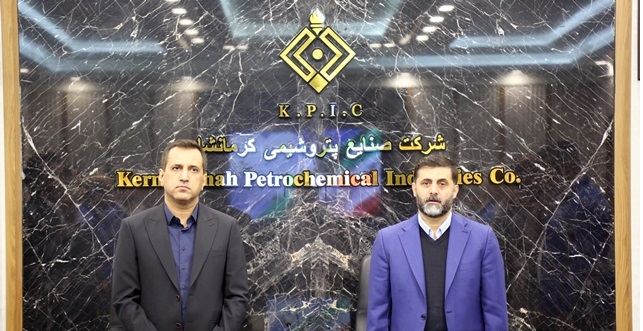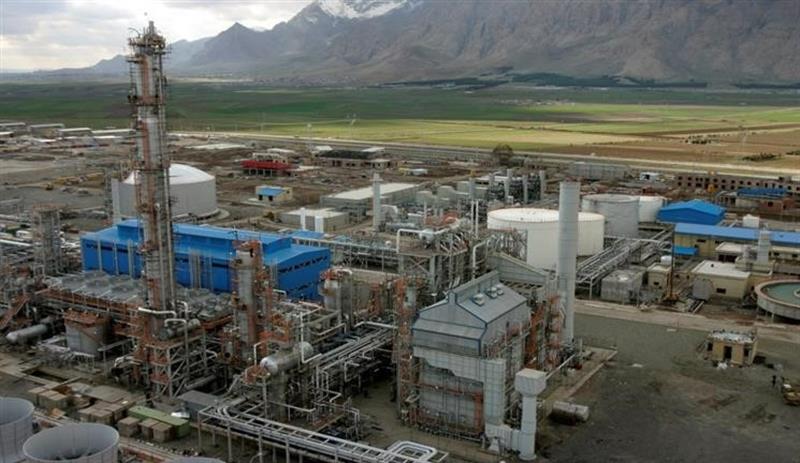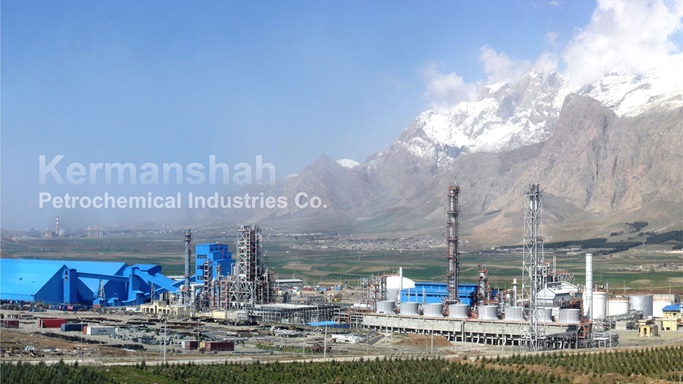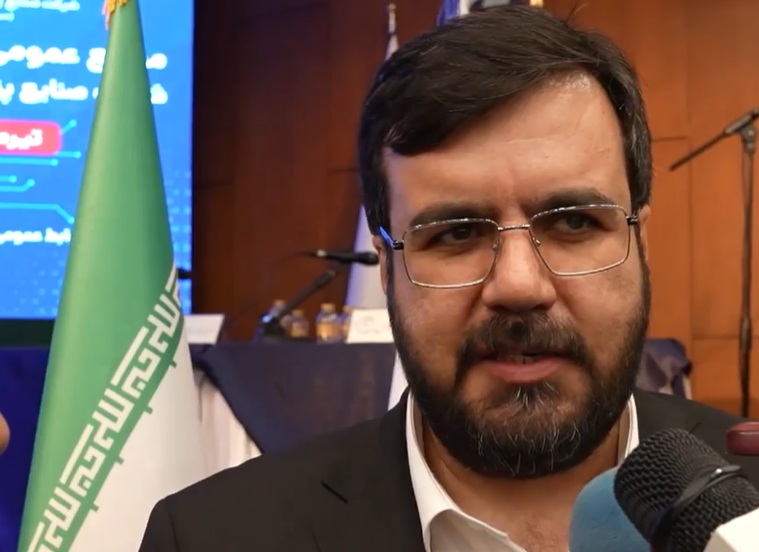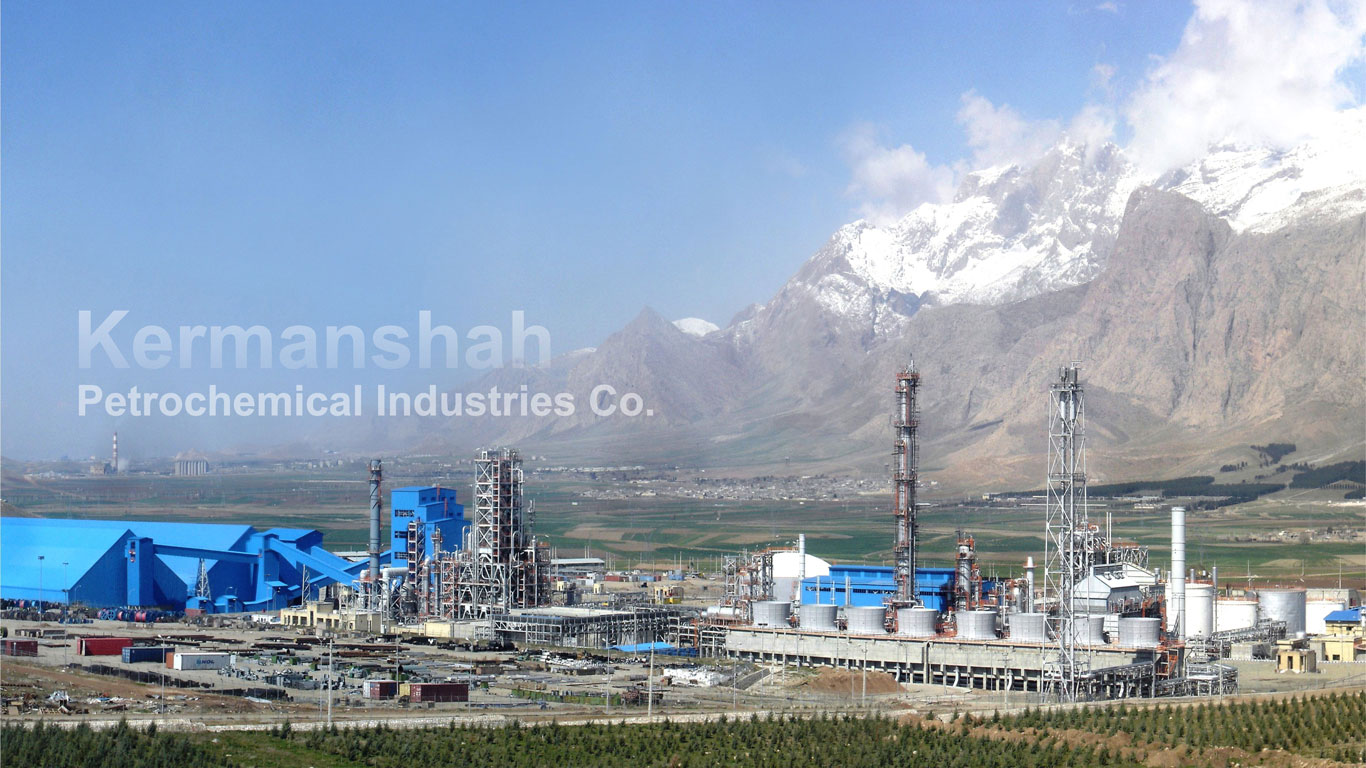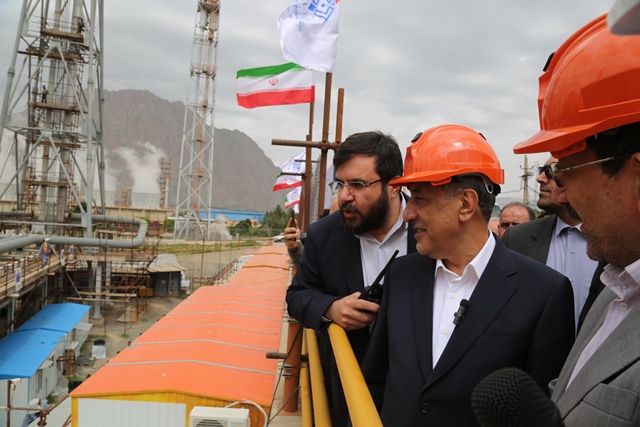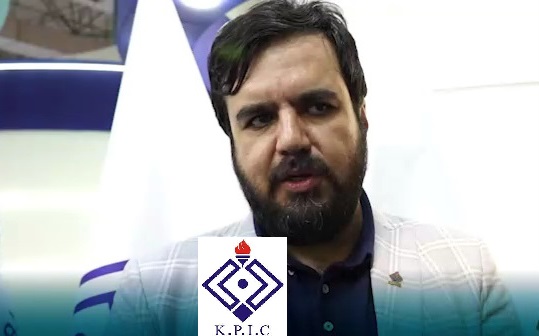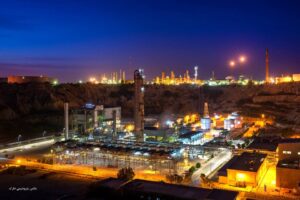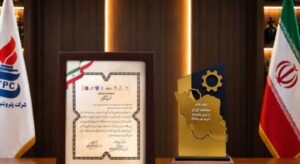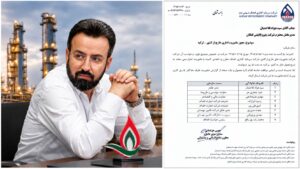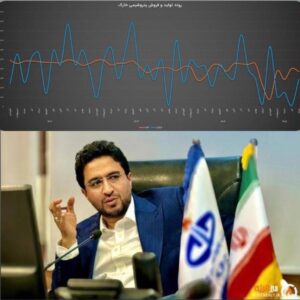
The Acting head of Kermanshah Petrochemical Industries Company also met and held talks with hassan Abbaszadeh, CEO of the National Iranian Petrochemical Company, on the sidelines of this event
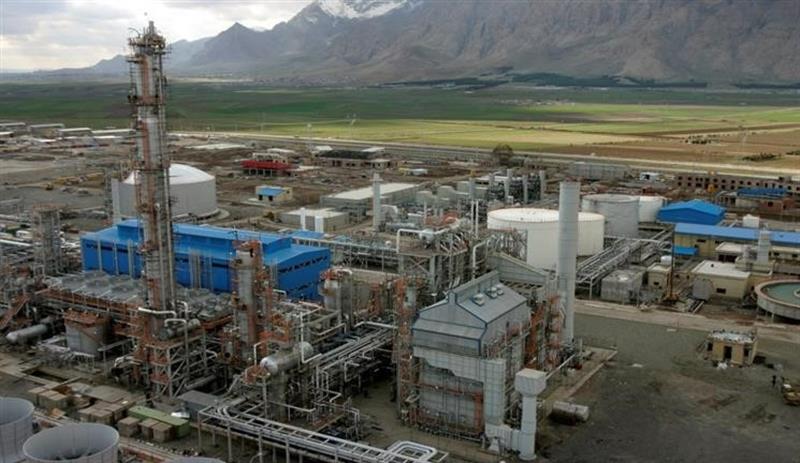
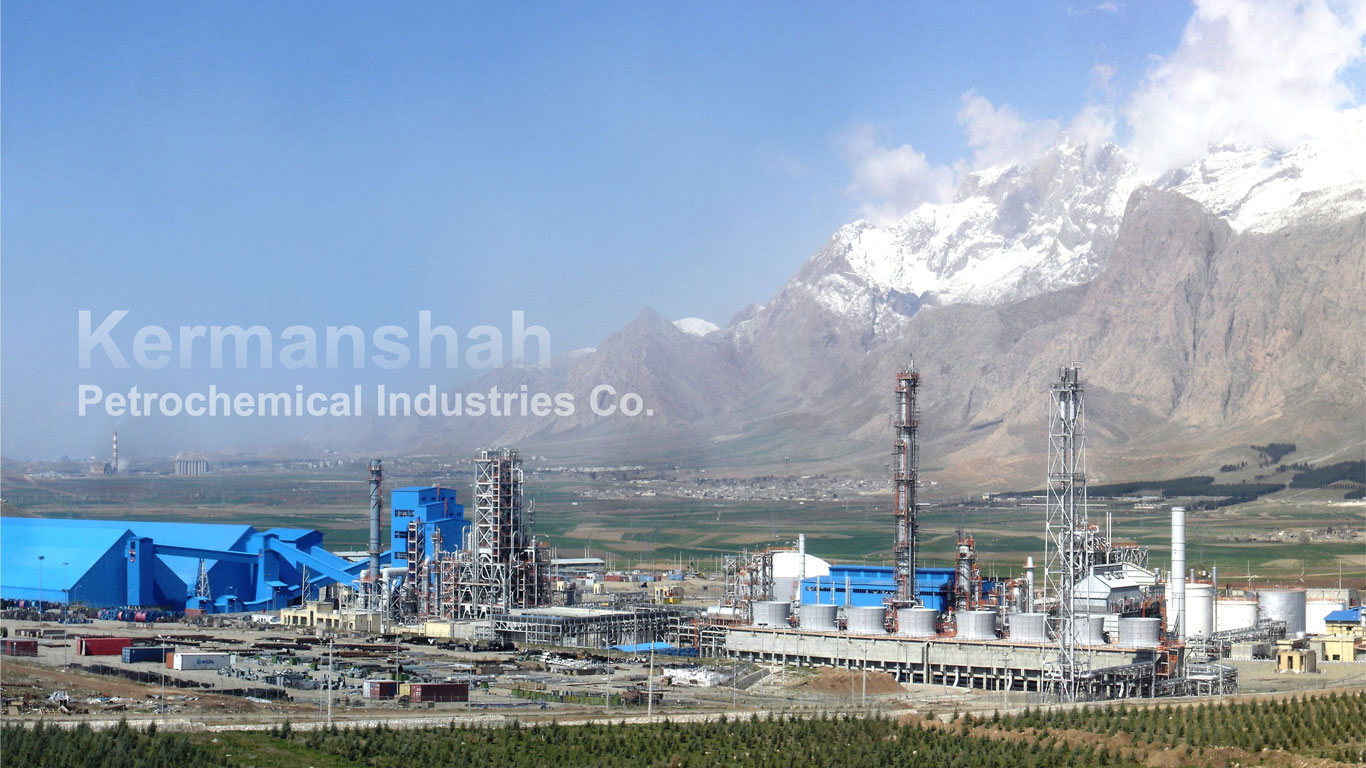
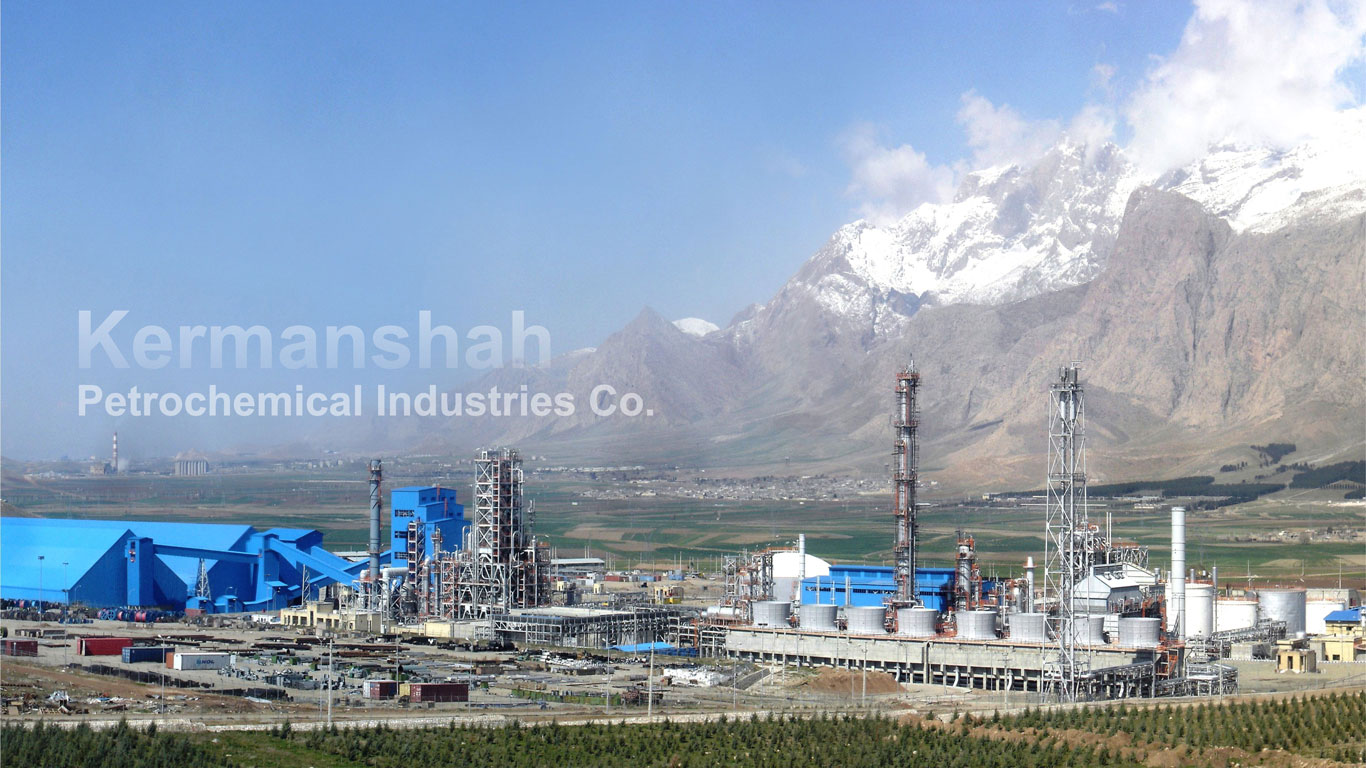
three active petrochemicals including Kermanshah Petrochemical, Bistoon Petrochemical, and Polymer Petrochemical are operating in the province, and three other projects are under implementation, and with the operation of these six complexes, Kermanshah will become one of the important petrochemical hubs of the country.
Dr. Kiani, acting head of Kermanshah Petrochemical, presented a report on the production status, export markets, and financial challenges of the project, requesting special attention from shareholders to complete the second phase and create new production capacity for urea and ammonia.
In November 2025, Kermanshah Petrochemical Industries Company achieved 104.52% of the nominal capacity in the urea unit and reached 100.66% capacity in the ammonia uni.
These figures indicate the company has not only overcome obstacles resulting from sanctions and logistical constraints but has also successfully implemented a policy of customer diversification and direct sales channels
Facing the combined pressures of economic sanctions, logistical limitations, and instability from regional tensions, Kermanshah Petrochemical—through strategic management and the dedication of its staff—not only avoided a production decline but surpassed 103% of its nameplate capacity in Mordad and set historic sales and export records. This performance cements its position as a leading player in Iran’s urea industry, and with expanded exports and improvement projects it aims to further strengthen that standing.
In 2025, Zahir Heydarinejad and the Kermanshah Petrochemical management team made a strategic decision to take a different path, that’s to say they targeted pre-sale of July, August, and September products in export markets.
Heydarinejad said the urea export share to Turkey increased to 35 percent last year and noted that in addition to Turkey, Iraq, Kuwait, Jordan, Thailand, and Armenia are other export markets.
in May2025, more than 34,000 tons of ammonia and 56,000 tons of urea were produced, which is an increase of 261 percent in ammonia and 250 percent in urea, respectively, compared to May last year