The diversification of our export markets depends on regional conditions, and we try to secure these markets with grades that have higher profitability and profit margins.
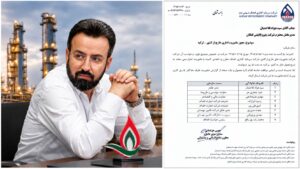
The CEO of Jam Petrochemical said: The fiscal year of April 2025-April 2026 was a year of record-breaking, resilience against war, and continuation of production despite enemy attacks for Jam Petrochemical.
The average export sales rate for products in last fiscal year was in the range of $375 to $380. It was also noted that the export rate increased from about $308 to $370 per ton.
Our first strategic approach is to start downstream activities in the methanol chain. Therefore, Khargh Petrochemical is ahead and pioneer in this area compared to other petrochemicals, due to the conditions and facilities.
In the fiscal year ending March 19, 2026, the company achieved sales of 21,172 billion tomans, which, compared to the previous fiscal year’s 16,838 billion tomans, represents a 26% increase.
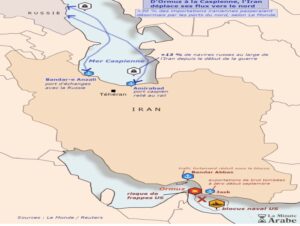
Countries such as the United States, Russia, Norway, and several African oil producers may benefit from rising global oil prices. As exports from Iran and parts of the Persian Gulf decline, these countries could capture a larger share of the global energy market.
The bombing of Iran’s petrochemical industry during the recent war is not merely a military attack on several industrial facilities; it represents a direct threat to the country’s economy. Reduced production, declining exports, foreign currency shortages, rising inflation, damage to employment, and falling investment are among the most significant consequences of this crisis.
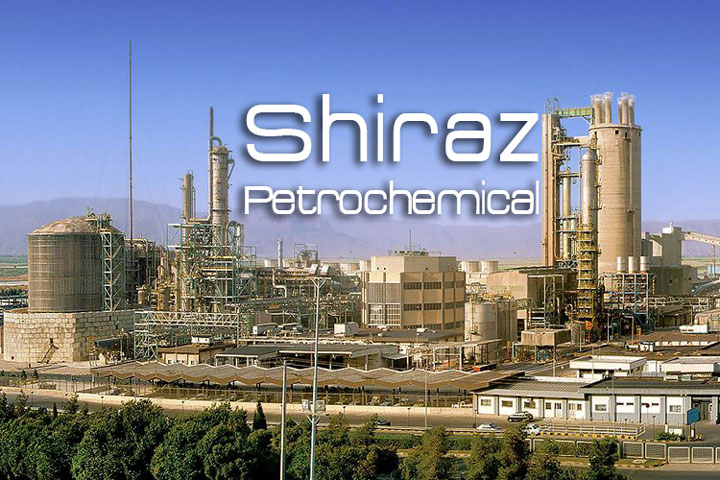
Shiraz Petrochemical’s sales this year are 1,664,000 tons, and the sales amount of 47.9 trillion tomans has grown by nearly 82 percent compared to the same period last year.