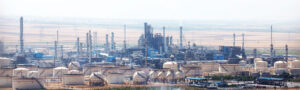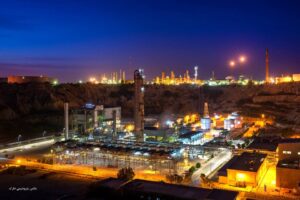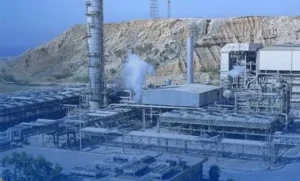
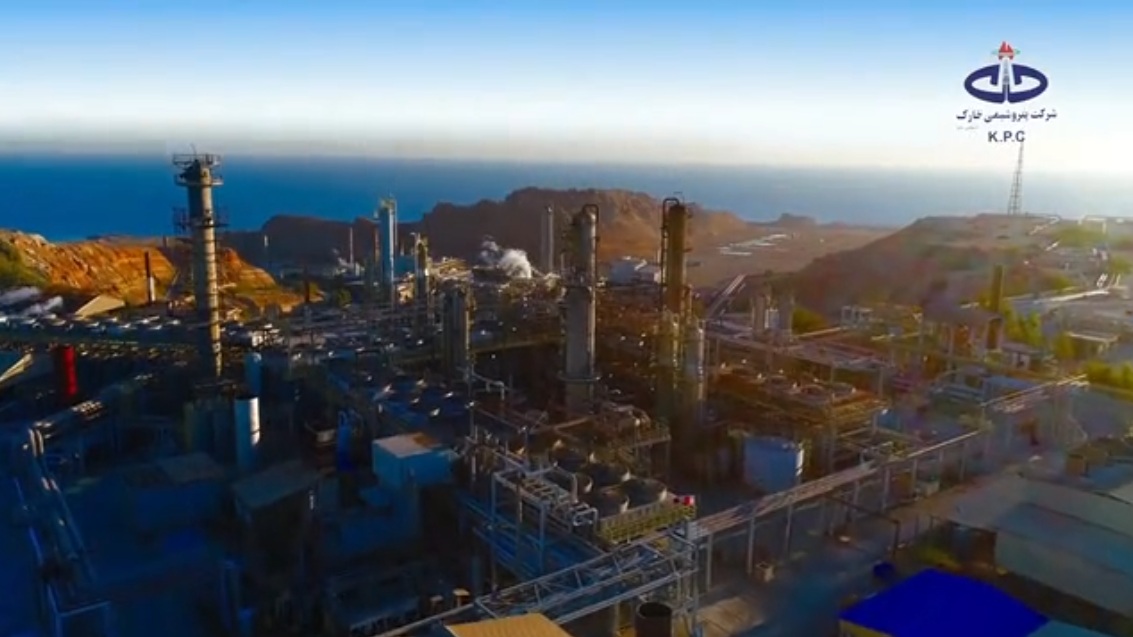
Kharg Petrochemical Company has taken a new step toward securing a sustainable feedstock supply, reducing flaring, and increasing the efficiency of the country’s gas resources by joining joint flare gas collection projects with the Iranian Offshore Oil Company.
Within the framework of the policies of the Ministry of Petroleum and the National Iranian Oil Company, Kharg Petrochemical has begun cooperating with the Iranian Offshore Oil Company to implement flare gas collection projects. On the one hand, this cooperation can reduce gas flaring and pollutant emissions, and on the other, by recovering associated gases, it can provide part of Kharg Petrochemical’s feedstock needs more sustainably.
Accordingly, two projects—the collection of flare gases from the Bahregansar platform and the collection of low-pressure gases from the Doroud 3 plant—were agreed upon as the main areas of cooperation, and it was decided that the contracts for these projects would be finalized as soon as possible. Based on the plans for implementing these projects, approximately 25 million cubic meters of flare gas will be collected and, after recovery, returned to the consumption cycle.
Two Flare Gas Collection Projects on Kharg Petrochemical’s Agenda
In joint meetings between the Iranian Offshore Oil Company and Kharg Petrochemical, cooperation opportunities for implementing associated gas gathering projects were reviewed.
As a result of these negotiations, gathering flare gases from the Bahregansar platform and gathering low-pressure gases from the Doroud 3 facility were selected as the two main joint projects.
Under the agreement reached, contracts for these two projects are to be finalized as soon as possible so that their implementation can proceed to the next stage.
Main objective: Ensuring a sustainable feedstock supply for Kharg Petrochemical
Recovering gases that were previously burned through flares is one of the most important objectives of these projects. After being gathered, these gases can be used in the production chain instead of being wasted.
In addition to helping stabilize Kharg Petrochemical’s feedstock supply, implementing this project can reduce the loss of hydrocarbon resources and increase efficiency throughout the oil, gas, and petrochemical production chain.
From this perspective, the flare gas gathering project is not merely an environmental initiative; it can also have economic significance in terms of feedstock supply and the optimal use of gas resources.
25 million cubic meters of flare gas to return to the consumption cycle
Based on the planning for implementing these projects, approximately 25 million cubic meters of flare gas will be collected and, after recovery, returned to the consumption cycle.
Returning this volume of gas to the consumption cycle can, in addition to reducing gas flaring, help meet the needs of petrochemical units and downstream industries.
Furthermore, reusing associated gases means making better use of existing resources and reducing energy waste in the operational processes of the oil and gas industry.
Emphasis on accelerating the implementation of gas collection projects
Coordination meetings to advance these plans have been held with the participation of representatives from the Planning Deputy of the Ministry of petroleum, the Directorate of Oversight of Oil Exports and Transactions, and the Directorate of Investment and Business of the National Iranian Oil Company.
These meetings emphasized the need to accelerate the finalization of contracts and commencement of the projects’ implementation. The development of cooperation between the Iranian Offshore Oil Company and Kharg Petrochemical was also considered one of the main focuses of these negotiations.
Reducing Flaring and Strengthening Feedstock Security at Kharg Petrochemical
Kharg Petrochemical’s participation in flare gas collection projects can be assessed within the framework of policies to reduce flaring and gas burning in the country’s oil and gas industry.
If these projects are implemented as planned, they will simultaneously pursue two important objectives: on the one hand, some of the wasted gas will be reused, and on the other, Kharg Petrochemical’s access to feedstock could become more sustainable .
Ultimately, returning approximately 25 million cubic meters of flare gas to the consumption cycle could, in addition to reducing the environmental impacts of gas burning in the operational areas of Kharg and Behregan, help improve resource efficiency and strengthen the feedstock security of the Kharg Petrochemical complex.