he second Fanavaran methanol shipment was also successfully traded on December 1, 2025, placing this important export product of the country on the transparent trading track of the Energy Exchange.
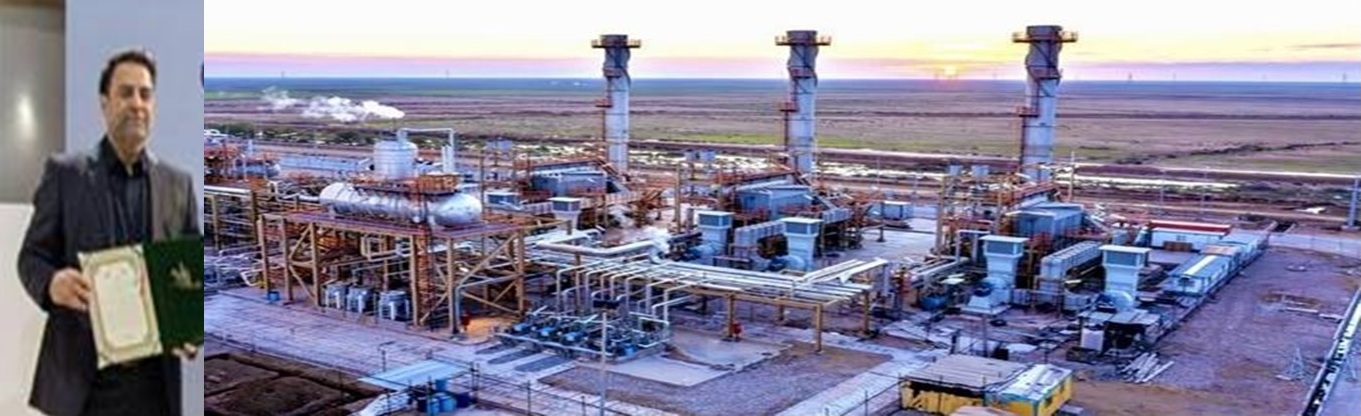
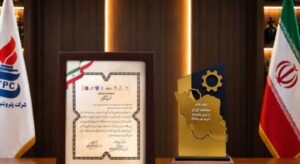
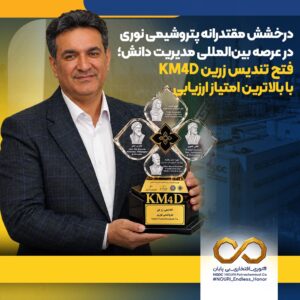
Dr. Mirashrafi, CEO of Tabriz Petrochemical Company, was honored for his valuable efforts in environmental protection and the company’s practical actions towards sustainable development and water and wastewater resource management.
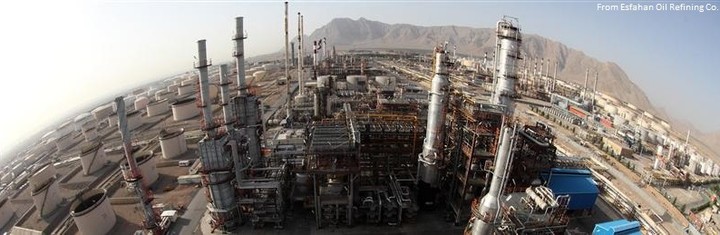
Esfahan Refinery, by supplying about half of the total vacuum bottom available on Iran Mercantile exchange, plays a key role in meeting market needs and creating positive competition.
three active petrochemicals including Kermanshah Petrochemical, Bistoon Petrochemical, and Polymer Petrochemical are operating in the province, and three other projects are under implementation, and with the operation of these six complexes, Kermanshah will become one of the important petrochemical hubs of the country.
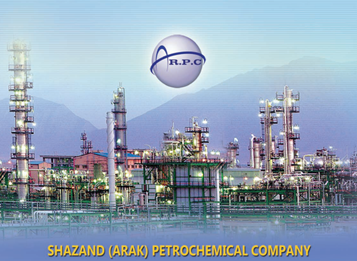
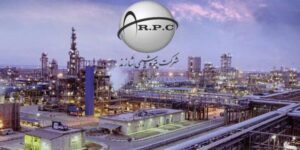
Shazand Petrochemical Company, holder of international certificates in the fields of quality management system, environment, occupational health and safety, and information security, has also taken significant steps and carried out effective and continuous actions in the field of energy management system.
Kharg Petrochemical Company reached a production volume of 91 thousand tons of products in November 2025, which is 27% higher than the same period last year.
Fanavaran Petrochemical in November 2025 recorded an impressive 44% monthly sales growth and a 136% surge compared to the same period last year, presenting a clear picture of a strong return to sustainable production after carrying out the largest overhaul operation in its history.
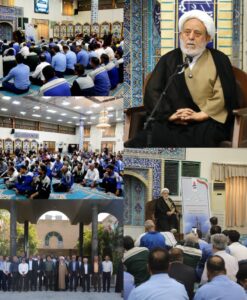
Dr. Kiani, acting head of Kermanshah Petrochemical, presented a report on the production status, export markets, and financial challenges of the project, requesting special attention from shareholders to complete the second phase and create new production capacity for urea and ammonia.
Javanshir Sadeghi said during this visit: Phase two is designed to increase the refinery’s capacity and reduce the volume of flare gases from the West Karun fields.
In November 2025, Kermanshah Petrochemical Industries Company achieved 104.52% of the nominal capacity in the urea unit and reached 100.66% capacity in the ammonia uni.
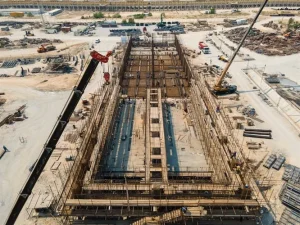
One of the most important refinery projects in this area is flare gases recovery (FGR), which is being implemented with a budget of over 6.8 million euros and 520 billion rials. This project has so far achieved 85% physical progress and will be operational by the end of 2025