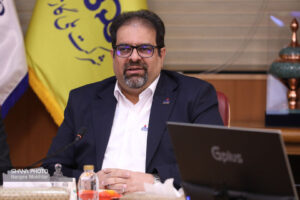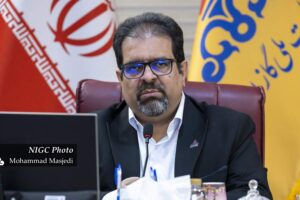
The CEO of Esfahan Oil Refining Company announced the continuation of the implementation of infrastructure projects and the progress of optimization projects of this complex and stated: The distillation tower residue purification unit (RHU) will enter production as planned by mid-2027.
Gholamreza Bagheri Dizaj, pointing out that some of the infrastructure projects of this refinery were put into operation at the same time as the Fajr decade, stated: “These projects were implemented with the aim of providing sustainable energy and utilities to downstream units, including DHT, RHU, and RFCC, and they play an effective role in improving product quality and continuity of production. The process of completing and supporting operational units and development projects is also being pursued with seriousness.”
Referring to the structural difference between the northern and southern units of the refinery, he stated: The units located on the northern side are older and mainly operate in the field of gasoline and diesel production; about 120,000 barrels of diesel produced in the northern side units are sent to the southern part daily to improve quality, optimize and reduce emissions, and sulfur is removed along with diesel in these units and diesel is produced with Euro 5 standards. The separated sulfur is also supplied to the market in the form of granules. This level of production requires extensive and sustainable infrastructure in the field of energy supply and utilities.
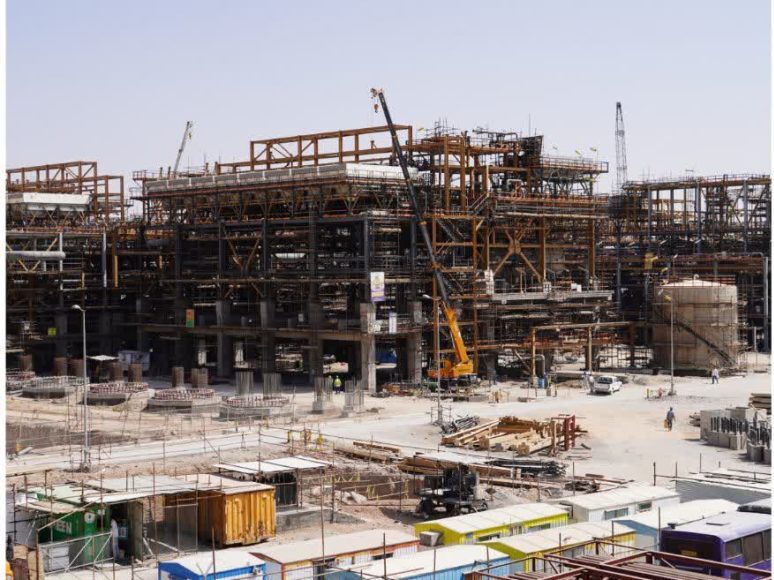
The CEO of EORC, while explaining the latest status of the RHU project, stated that the first phase of this project is expected to be operational by early mid-2027. He added: “The first part of the reactors of this unit has arrived at the site, the second part has arrived at Bandar Abbas, and we are waiting to receive the third part. Of the total six compressors of the project, four units have been transferred to the site, and planning is underway to transport two more units. The installation of heavy equipment, including high-pressure vessels, has also begun, and a number of them have been installed so far.”
Regarding the heavy residue catalytic conversion unit (RFCC) project, Bagheri Dizaj also emphasized: “The contractual problems of the project suppliers have been resolved and we will witness acceleration in the implementation and construction of this unit.”
He concluded by noting: The Esfahan Refinery is currently in production at its full designed capacity, and the implementation of infrastructure and optimization projects, while ensuring production sustainability, provides the basis for improving product quality, increasing added value, and responding to the country’s future needs in the field of petroleum products.