In all artificial intelligence projects, three principles—reducing time, reducing costs, and facilitating processes—have been considered, and highly favorable results have been achieved.
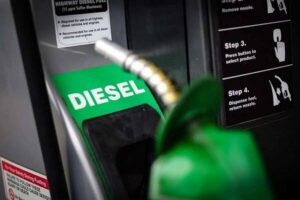
In 2025, gasoline production reached 12.6 million liters per day, representing a significant increase compared with previous years. Diesel production also exceeded 25 million liters per day during this period.
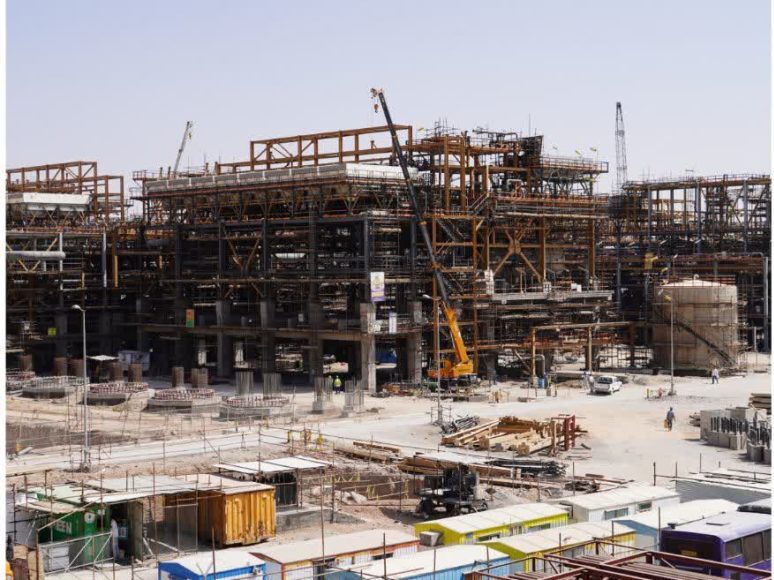
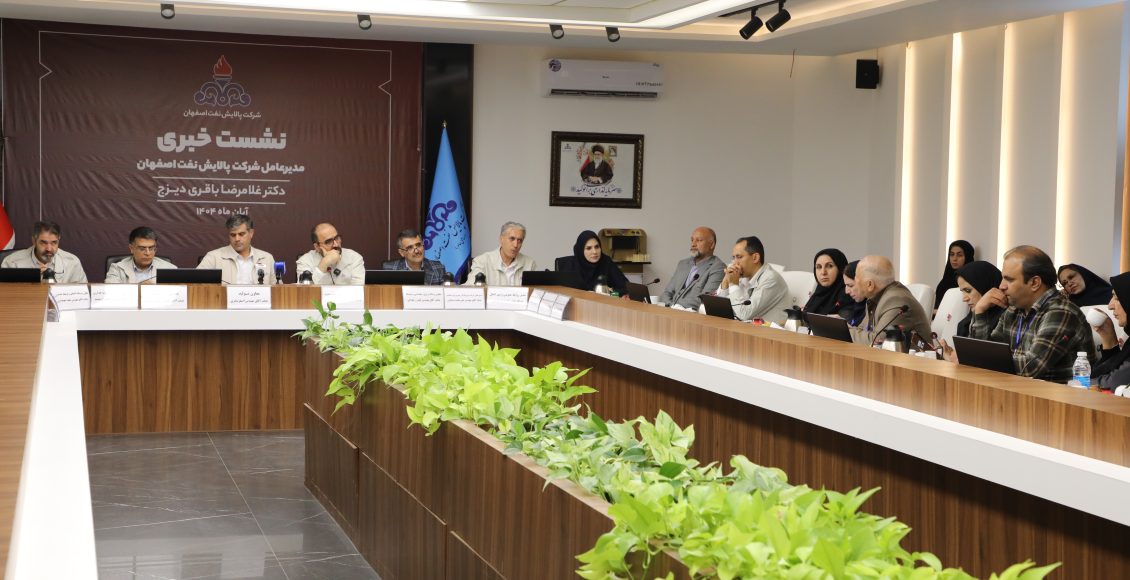
The CEO of EORC, while explaining the latest status of the RHU project, stated that the first phase of this project is expected to be operational by early mid-2027.
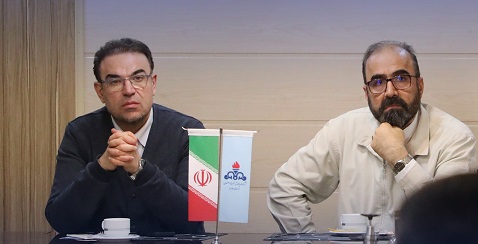
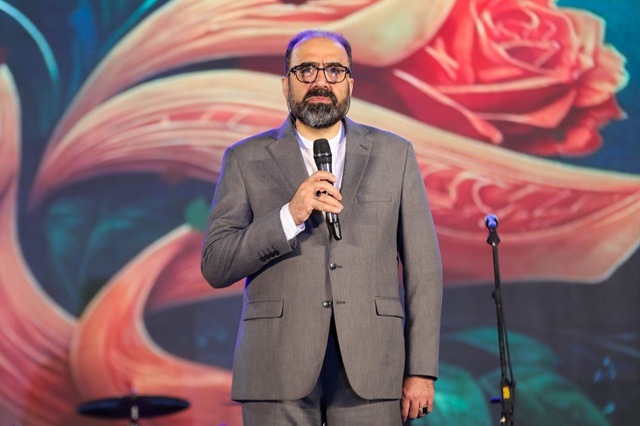
The CEO of EORC emphasized the necessity of constructive and continuous interaction between this company and the Ministry of Industry, Mine and Trade, and called for facilitation, transparency, and acceleration in processes related to the provision and allocation of foreign currency.
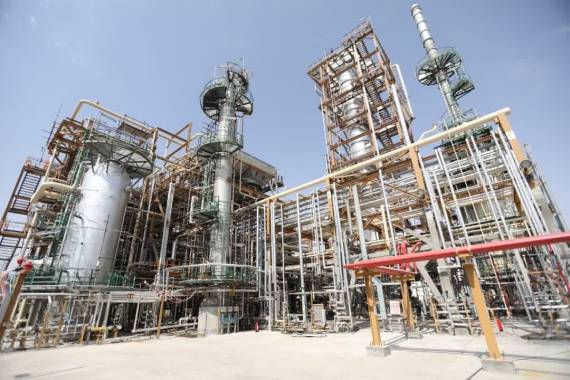
One of the most important refinery projects in this area is flare gases recovery (FGR), which is being implemented with a budget of over 6.8 million euros and 520 billion rials. This project has so far achieved 85% physical progress and will be operational by the end of 2025
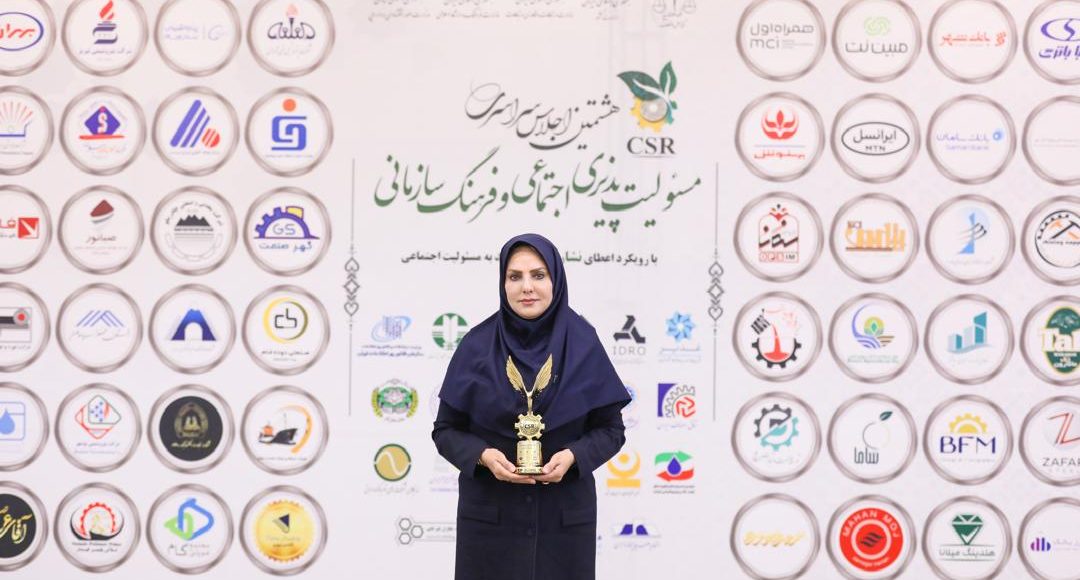
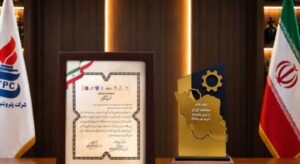
This achievement is a sign of EORC’s ongoing efforts to institutionalize and promote the principles of corporate social responsibility within its organizational structure.
The KHT Quality Improvement Project is one of Esfahan Refinery’s important projects, which was launched with the aim of reducing sulfur in kerosene and developing the kerosene value chain in order to produce the base raw materials for detergents, fatty alcohol, and produce solvents with economic added value with a sulfur content of less than 10 ppm