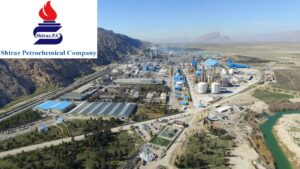

Shiraz Petrochemical recorded 5.16 trillion tomans in sales revenue in October, up 9.4% from the same month last year and 1.5% from September.
The increase came despite a 29.8% year-on-year decline in production, which fell to 214,188 tonnes from 305,129 tonnes. Combined domestic and export sales volumes also dropped 46.5% to 98,010 tonnes.
The gap between revenue growth and lower sales volumes suggests that higher nominal selling prices and changes in the product mix played a significant role in the company’s October performance.
Domestic sales cushion export losses
Domestic revenue climbed 87.1% year on year to 4.54 trillion tomans, accounting for approximately 88% of Shiraz Petrochemical’s total sales in October.
Agricultural urea was the largest contributor, generating around 3.28 trillion tomans. Industrial urea brought in a further 680 billion tomans, while methanol sales reached 478 billion tomans.
Export performance was considerably weaker. Export volumes plunged 88.3% to 10,415 tonnes from 89,001 tonnes a year earlier, while export revenue fell 72.9% to 621 billion tomans from approximately 2.29 trillion tomans.
The expansion of domestic sales prevented the decline in exports from dragging down overall revenue. The company’s monthly report did not identify the reasons behind the sharp contraction in export volumes.
Seven-month revenue rises 27% despite lower export volumes
Shiraz Petrochemical generated 28.99 trillion tomans in revenue between April and October 2026, up 27.1% from 22.80 trillion tomans in the corresponding period last year.
Domestic revenue increased 52.9% to 17.64 trillion tomans, while export revenue reached approximately 11.36 trillion tomans, showing a more modest increase.
The growth in export revenue came despite a substantial contraction in shipments. Export volumes fell 53% to 201,525 tonnes from 428,986 tonnes in the same period last year.
This divergence suggests that higher average selling prices helped sustain export revenue in rial terms despite lower physical sales.
Dollar export earnings fall 36%
The decline in export performance is more pronounced when measured in foreign currency.
Shiraz Petrochemical’s export sales totalled $91.30 million in the seven months to October, compared with approximately $142.03 million a year earlier, representing a decline of 35.7%.
The fall in dollar-denominated export earnings, alongside the modest increase in rial-based export revenue, highlights the difference between nominal domestic-currency growth and the company’s actual performance in international markets.
Raw material purchases add to cost pressures
The company reported domestic raw material purchases of approximately 13.57 trillion tomans in October, compared with 5.55 trillion tomans in the same month last year, an increase of nearly 145%.
Natural gas accounted for the largest share of its raw material requirements.
The increase in procurement value warrants attention, but monthly purchases should not be equated directly with the cost of goods sold during the same period. A clearer assessment of the impact on profitability requires examining inventory movements, production costs and the company’s financial statements.
The report also refers to resolutions concerning agricultural urea pricing and the mechanism for calculating and settling claims arising from mandated sales.
The settlement of these claims, alongside feedstock costs and the recovery of export volumes, will be important in determining whether Shiraz Petrochemical can translate higher nominal revenue into stronger earnings.a