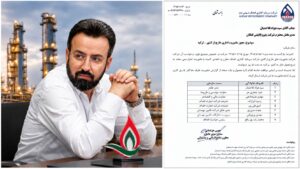
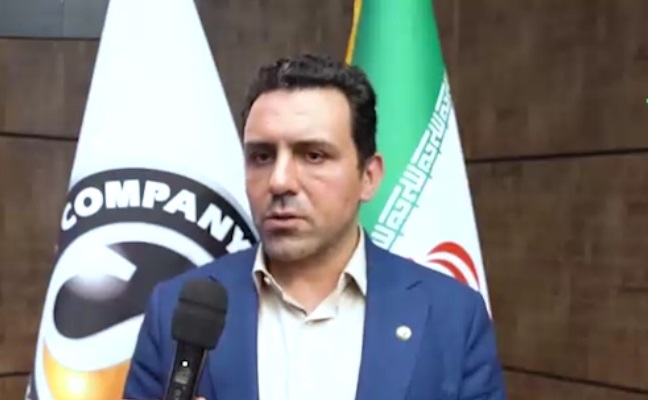
Dr. Farhad Amin Dehghan, CEO of Sepahan Oil Company, said in an interview with “Rahbord Energy” on the sidelines of the company’s annual general assembly, regarding the company’s record-breaking performance in fiscal year 2025-2026 and the role of improved performance in this regard: As I presented in the board of directors’ report, of the approximately 17 trillion rials in operating profit earned by the company, about 5 trillion rials related to the collection of the company’s receivables, while 12 trillion rials related to the company’s ongoing operations, representing growth of more than 140 percent compared with the 5 trillion rials in fiscal year 2024-2025.
The CEO of Sepahan Oil, regarding whether the 30 percent increase announced by the Consumer and Producer Protection Organization in May this year had been applied at his company and whether it was sufficient to cover overhead costs such as raw materials, packaging, and additives, stated: Yes, it was applied at all companies, and we also benefited from it. However, it by no means covers production and raw-material costs, because costs have in any case increased by far more than 30 percent, and regarding imported materials, the prices of some of our additives may even have increased threefold. Packaging has likewise been affected, and the increase in petrochemical-material prices is completely evident and trackable.
Amin Dehghan, regarding the change of contractor for the FRW, HDT, TDAE, and SDT development projects, their failure to come online on schedule, and their operational start dates, said: “The first phase of the FRW project has been completed and is 97 percent advanced, while construction of its second section remains subject to the prevailing conditions. Regarding the HDT and TDAE projects, both are scheduled to enter production next year. As for changing the contractor, given last year’s conditions, we were effectively paying the contractor’s costs, but work was not permitted due to the country’s circumstances. Therefore, we decided to temporarily halt the projects to some extent until we could change the contractor. However, the projects are fully feasible, and their main equipment has been imported and installed; this does not pose an immediate threat to shareholders.
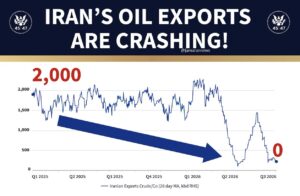
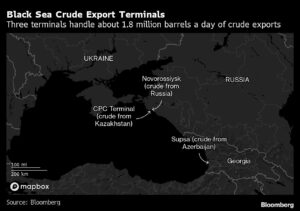
This lubricant-industry executive, regarding the impact on Sepahan Oil—both in terms of raw-material imports and exports—of the doubling of prices for various groups of base oils amid regional crises, disruptions in the Strait of Hormuz, and the shortage of Group III base oil, stated: “Supplying raw materials has become very difficult and complex. Therefore, in consultation with colleagues at the parent holding company and other industry participants, we are trying to keep operations going, and so far we have succeeded. However, conditions genuinely become tougher and pressure increases every day, so we must change our solutions, although we have become accustomed to working in this environment and under crisis conditions.”
Amin Dehghan added: The price of feedstock changes simultaneously with that of our base oil. In other words, both feedstock and base oil are currently influenced by global oil prices at the same time, and given that the currency has also become single-rate, they are changing simultaneously. Most of our profit comes from sales rather than foreign-exchange translation or currency price increases, because an increase in the exchange rate directly affects the increase in feedstock prices, and approximately 80 percent of our cost of goods sold is attributable to feedstock prices. For this reason, we made changes to our sales models, and I think the majority of our profitability results from this action.