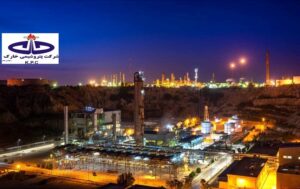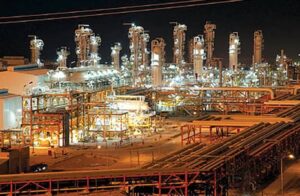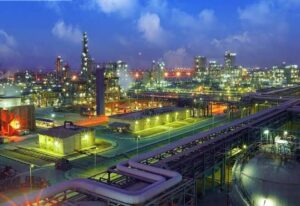
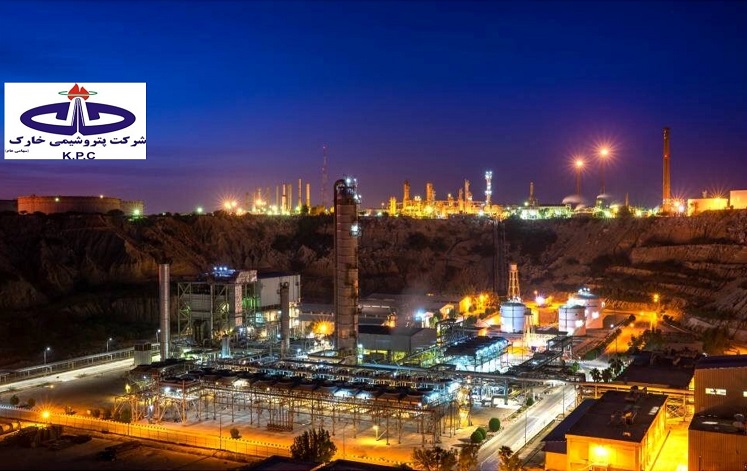
Khark Petrochemical Company reported a sharp increase in earnings in the spring-summer period of 2026, despite significant operational disruptions following the outbreak of US-Israeli war against Iran. Higher selling prices helped drive a 115% rise in operating revenue and a more than twelvefold increase in operating profit, while the company continued to face feedstock constraints and operated at around 60% of capacity.
Revenue and Earnings Rise Sharply
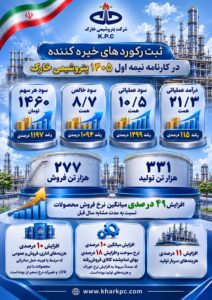
Khark Petrochemical, whose shares trade on the Tehran Stock Exchange (TSE) under the ticker symbol SHAKHARK, reported operating revenue of 21.3 trillion tomans ($78.45 million) for the six-month period ended September 22, 2026, marking a 115% increase year on year.
Operating profit surged 1,299% to 10.5 trillion tomans ($38.67 million), while net profit rose 1,094% to 8.7 trillion tomans ($32.04 million), according to the company’s interim financial statements.
Basic earnings per share increased to 1,460 tomans (approximately $0.0054), compared with 122 tomans (approximately $0.00045) in the corresponding period of 2025.
The results were achieved despite a prolonged interruption to production and constraints on feedstock supplies, highlighting the impact of higher product prices on the company’s financial performance.
Production Halted as War Disrupted Operations
According to a disclosure filed by Khark Petrochemical with Iran’s Securities and Exchange Organization (SEO), all production units were shut down on March 7, 2026, following the outbreak of war and the introduction of emergency operating measures.
The company began restarting its units on April 14, with all production facilities and product lines back in operation by April 22.
However, the restart did not translate into a full recovery in output. Feedstock availability remained constrained, while the quantity and quality of supplies received were below normal levels. As a result, the company operated at approximately 60% of its production capacity during the reporting period.
Khark Petrochemical produced 331,000 tonnes of products during the six-month period and sold 277,000 tonnes, according to the company’s operating data.
Higher Selling Prices Support Financial Performance
Rising product prices were a key factor behind the company’s stronger financial results.
Khark Petrochemical said the average selling price of its products increased by 49% year on year during the reporting period. The average price of fuel consumed by the company also rose by 10%.
The increase in selling prices helped support revenue and earnings despite lower production volumes and continued operational constraints.
At the same time, the cost of goods sold rose by 18%, largely reflecting higher feedstock prices and production expenses. Manufacturing overheads increased by 11%.
General, administrative and selling expenses were up 10%. The company attributed the increase primarily to higher freight costs on export shipments sold under Cost and Freight (CFR) terms, as well as changes in foreign exchange conversion rates.
Financial expenses also increased by 10%, mainly due to the company’s use of bank financing denominated in rials.
Outlook Hinges on Feedstock Supplies and Production Recovery
Khark Petrochemical’s performance during the spring-summer period of 2026 points to a significant improvement in profitability, driven largely by higher selling prices despite continued production constraints.
The figures also highlight the distinction between stronger financial performance and a full operational recovery. Although all production units had returned to service by late April, the company was still operating well below its full capacity during the reporting period.
The sustainability of its earnings growth will therefore depend on more reliable feedstock supplies, a recovery in production levels, export logistics and movements in international petrochemical prices.
For Khark Petrochemical, the next challenge will be to translate stronger pricing conditions into sustained operating performance as the company works to restore production capacity and navigate an uncertain operating environment.
It is worth noting that Khark Petrochemical’s nominal production capacity comprises 660,000 tons of methanol, 120,000 tons of butane, 115,000 tons of propane, 170,000 tons of sulfur, and 70,000 tons of pentane-plus annually.
*Exchange rate: $1 = 271,500 tomans