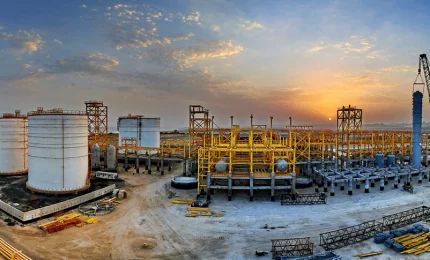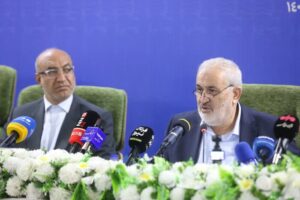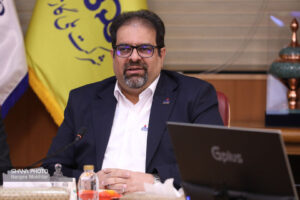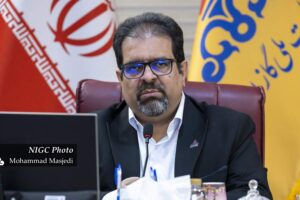
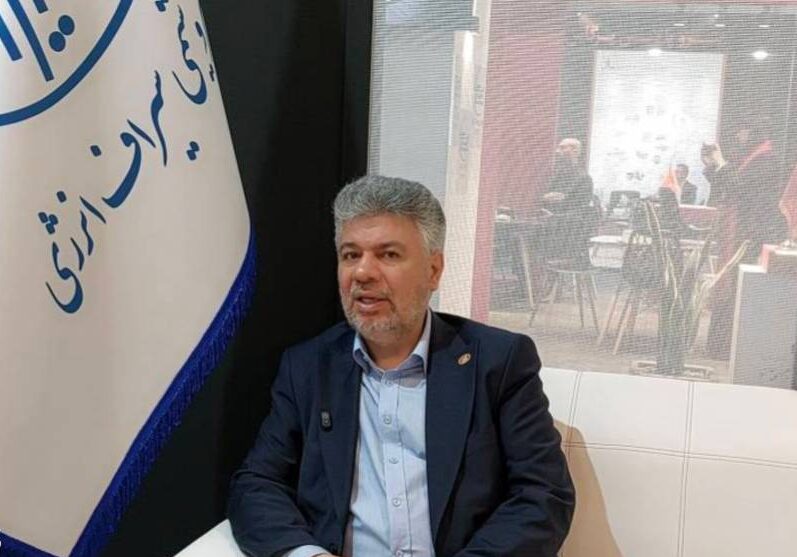
Reza Ganji Arjanaki, CEO of Siraf Energy Petrochemical Company, stated in an interview on the sidelines of the 7th Kish Oil, Gas, Petrochemicals and Refining Exhibition with a local manufacturing approach: Siraf Energy Petrochemicals is located in the Dayyer region and is being implemented as one of the country’s megaprojects in the field of methanol production, which has made about 70 percent physical progress so far.
Stating that the annual production capacity of this complex will be 1.65 million tons of methanol, he added: “One of the turning points of this project is the provision of a significant portion of equipment and parts before the sanctions were tightened, so that about 85 to 90 percent of the parts required for the project have been provided.”
Ganji continued: “This project has a separate utility and a dedicated pier, and its supply is also provided based on a long-term contract with the Iranian National Gas Company, which is one of the important advantages of the project.”
The CEO of Siraf Energy Petrochemical Company stated regarding the target market of this complex: “Given the current conditions of the methanol market inside and outside the country, the exact forecast of the domestic and export market share will be determined at the time of final operation, but given the domestic supply and demand situation, it seems that the main focus will be on exports.”
Emphasizing the necessity of developing downstream methanol industries, he said: “If we do not move towards completing the value chain and creating downstream industries, we may not be able to make maximum use of the country’s gas resource capacity in the future. Our goal is for methanol production to lead to the creation of real added value for the country.”
Ganji also mentioned the issue of feed-stock prices and added: “Appropriate policymaking in the field of feed, including the application of incentives and discounts, can guide companies towards investing in downstream industries and contribute to the sustainability of the industry.”
In another part of her speech, he referred to the importance of holding specialized domestic exhibitions and stated: “Given the sanctions and international restrictions, the gathering of manufacturing, project-oriented, and knowledge-based companies in such events is an opportunity to exchange experiences and utilize domestic capacities.”
The CEO of Siraf Energy Petrochemical Company noted: “In the Energy Gostar Sepehr and Petrofarhang Holdings complex, especially in the field of methanol, valuable experiences have been formed in using domestic power, and we are ready to provide these experiences to other industry players.”
In conclusion, he stated that although the sanctions have created difficulties, they have also strengthened some domestic capabilities, and expressed hope that the country’s oil, gas, and petrochemical industries will continue their path of development and self-reliance with strength, relying on domestic capacities.