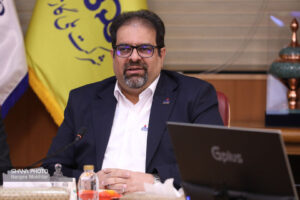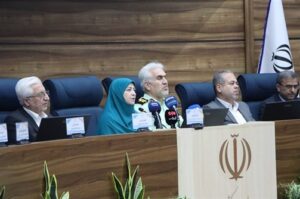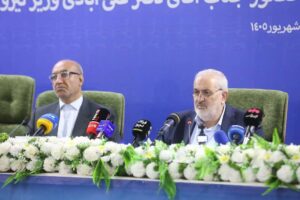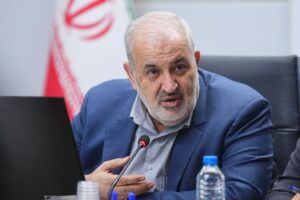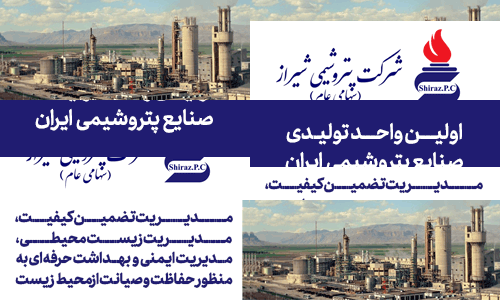
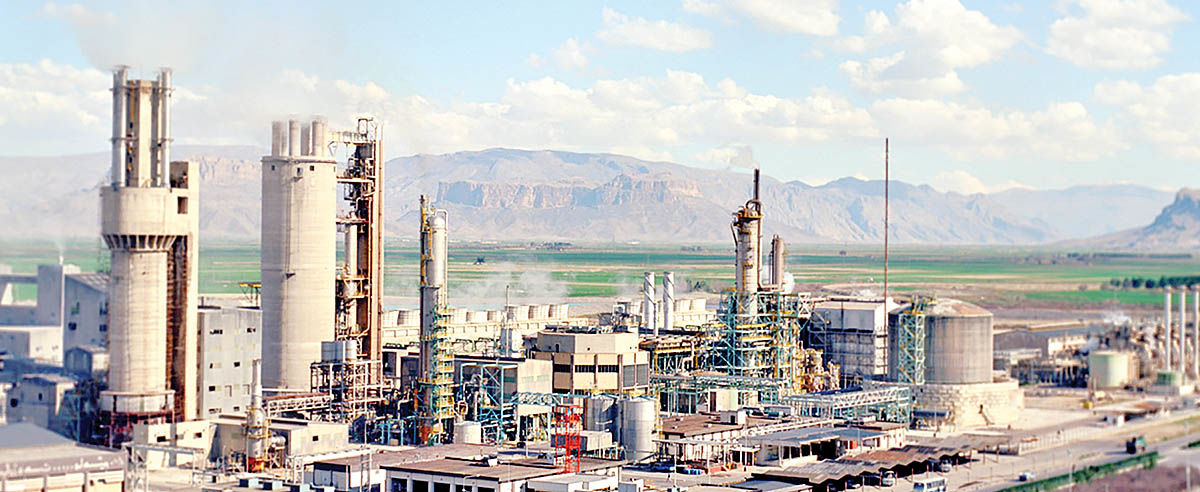
The training course on Climate Change and Carbon Management, was hosted by Shiraz Petrochemical Company and within the framework of a cooperation agreement between Parsian Oil and Gas Development Holding and the Iranian Petroleum Industry Federation, at the Chamran Hotel. This ceremony was held in the presence of Mr. Mozarmi, Director of Production Control and HSE of Parsian Oil and Gas Development Holding, along with the heads, supervisors and experts of Shiraz Petrochemical Company as well as Pardis, Zagros, Tabriz, Hemmat Petrochemicals and Tabriz and Shiraz refineries.
On the first day, in order to familiarize the attendees, topics related to the phenomenon of global warming caused by greenhouse gas emissions and the consequences of climate change were discussed. In this section, the reasons for the formation of this phenomenon, its effects, as well as global and national efforts to combat climate change were explained. Possible global warming scenarios, related conventions and upstream documents at the international and national levels, and the country’s future paths if each of these documents is realized were examined. In addition, introductory explanations were provided regarding emission accounting and the concept of carbon footprint.
On the second day, ISO14064 and ISO14067 standards were taught. ISO 14064 deals with the issue of greenhouse gas emission inventory at the organizational level, and ISO14067 is related to the compilation of carbon footprints of products. In this section, concepts such as the definition of an emission inventory, quantification methods, emission reduction approaches, data quality metrics, and reporting methods were explained. Then, the carbon footprint, the purpose of the life cycle inventory, the assessment of life cycle impacts, and how to interpret the results were fully explained.
The course was fully interactive and attendees played an active role in the discussions. Participants, who were already familiar with carbon-related concepts, received answers to many of their specialized questions, and the instructor advanced the training process by soliciting feedback and involving attendees.
At the end of the course, a real example of the Publication Atlas was presented to the attendees, and thus, the participants were tangibly introduced to the sensitive publication process and its complexities.
Given the instructor’s scientific mastery and ability to convey concepts, the interest of the attendees, and their understanding of the social and economic importance of carbon management, many of the companies in attendance expressed their desire to hold similar courses and their readiness to define product carbon footprint projects and prepare organizational carbon inventories.