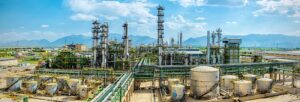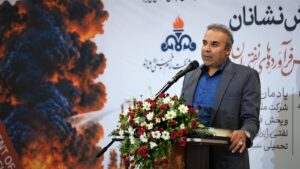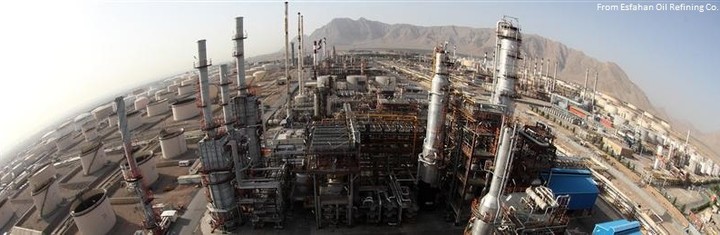
EORC presented part of its technical and engineering capabilities with a focus on “domestic-made achievements” and “provision of first-made parts and equipment.
Currently Esfahan Refinery’s products are exported to India, Mozambique, Qatar, Oman, Iraq, China, Turkey, Turkmenistan, Pakistan, the UAE, Afghanistan, Armenia, and Azerbaijan Republic. Among these, Afghanistan and Pakistan import the largest shares of the refinery’s products.
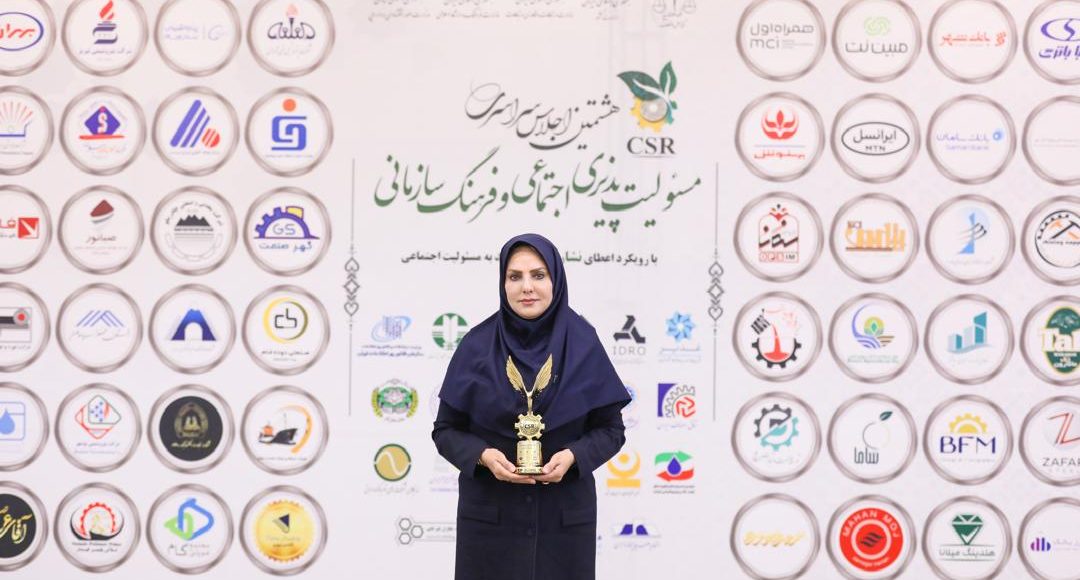
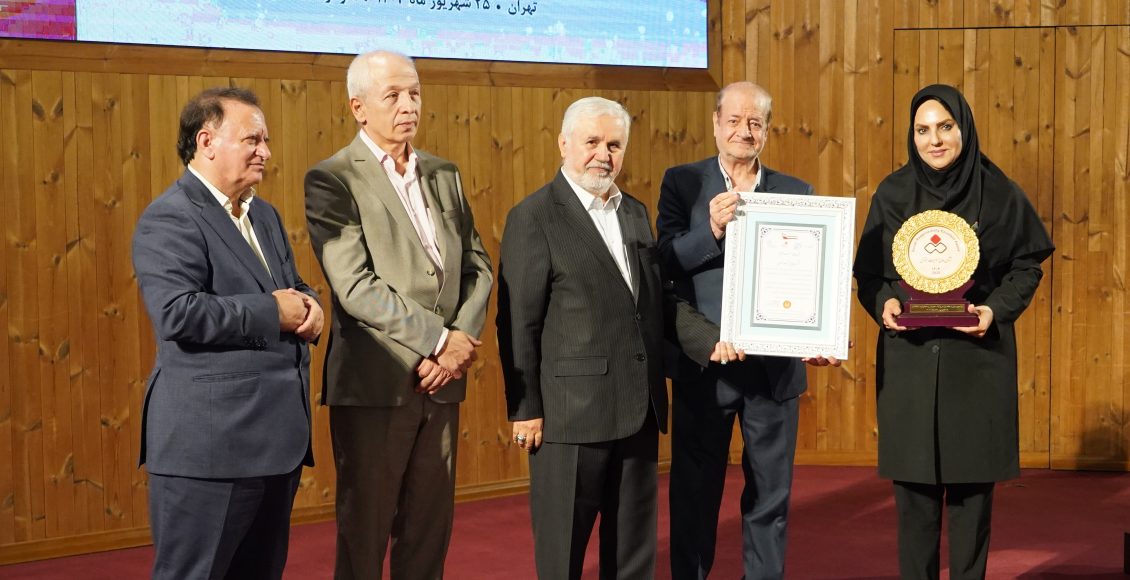
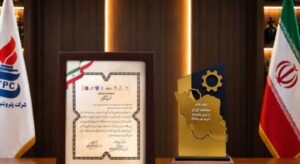
This achievement is a sign of EORC’s ongoing efforts to institutionalize and promote the principles of corporate social responsibility within its organizational structure.
This achievement reflects the company’s ongoing commitment to promoting a culture of social responsibility, sustainable development, and compliance with environmental standards, and it reinforces EORC’s position as a leading organization in social responsibility.
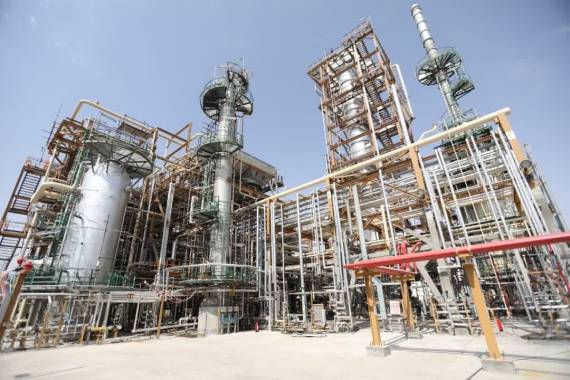
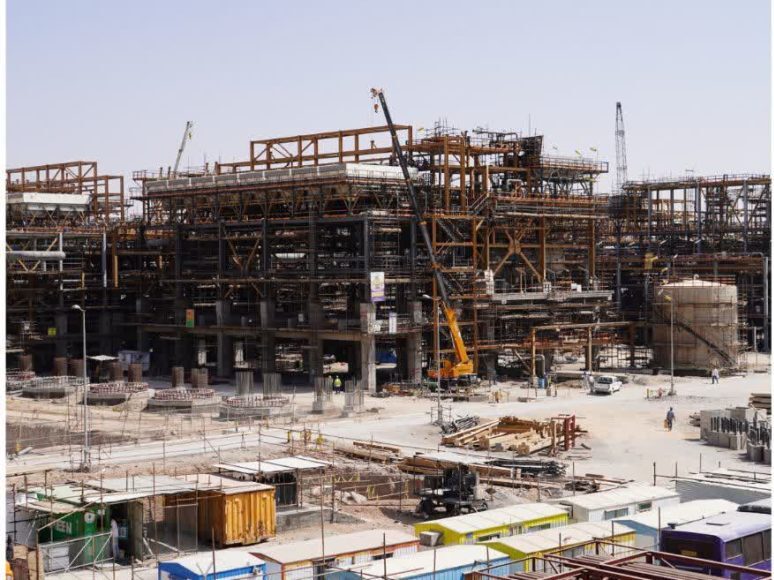
The KHT Quality Improvement Project is one of Esfahan Refinery’s important projects, which was launched with the aim of reducing sulfur in kerosene and developing the kerosene value chain in order to produce the base raw materials for detergents, fatty alcohol, and produce solvents with economic added value with a sulfur content of less than 10 ppm
EORC has 15 projects under implementation in the past, which require 4.5 billion euros in credit to complete. Fortunately, 1.5 billion euros have been provided for these projects and it is expected that the remaining credit for these projects will be provided within five years, until 2029.
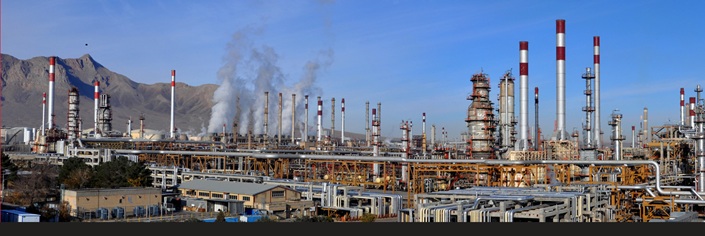
the share of oil and gas production in the Esfahan Refinery is 21% of the country’s total production, and in the production of fuel oil, this product is also considered one of the important products of the Esfahan Refinery, with a share of 14%.
the RHU project is known by its original name as the Fuel Oil Upgrade Project because the ultimate goal of this project is to convert fuel oil into valuable, standardized products that are free of any type of sulfur.