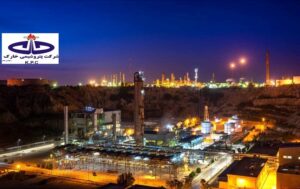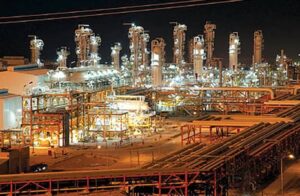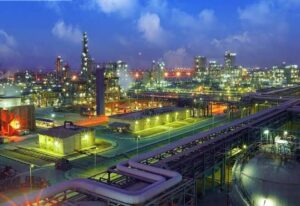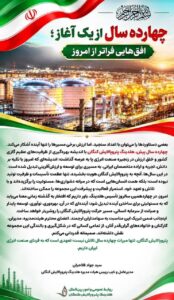
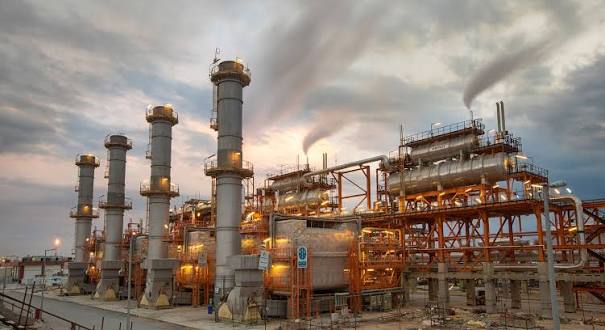
Two polyethylene projects at Kangan Petro-Refinery are nearing startup, with a combined annual production capacity of 600,000 tonnes and the potential to supply 17 grades of high- and medium-density polyethylene (HDPE and MDPE) to domestic and export markets.
The development marks a significant milestone for Iran’s petrochemical industry, where a number of polyethylene projects launched years ago remain unfinished or have fallen well behind their original construction schedules.
Projects including Gachsaran Polymer, Dehdasht, Hormoz, Almas, Bushehr, Dehloran, Kian, Jahrom, Kazerun, Fasa, Darab and Mamasani have all faced delays of varying degrees. Against that backdrop, Kangan Petro-Refinery’s progress towards commissioning stands out, particularly given the constraints imposed by international sanctions.
A three-step strategy to accelerate commissioning
The first major step towards bringing the polyethylene units online was the successful startup of Kangan’s olefin unit. A key element was the implementation of the first hot-tap operation on the West Ethylene Pipeline, enabling the complex to receive ethylene directly. The approach also helped avoid the need to flare gas during the startup process.
The second step involved accelerating the delivery of critical equipment. According to the project account, some sensitive components were transported by air rather than through conventional road freight, saving valuable time in the commissioning schedule.
The third milestone was the commissioning of key equipment and systems without the presence of foreign licensors, warranty representatives or international supervisors. The extruders — central to the polyethylene production process — alongside control systems and compressors, were brought through commissioning under these conditions.
Trial production at the first 300,000-tonne polyethylene unit has already begun, while the second project, known as Soroush Mehestan, is reported to be approximately 96% complete. Trial production at the latter unit is expected to start in Azar.
Japanese technology and a broader product portfolio
The two projects use process technology licensed by Japan’s Mitsui Chemicals. Their development is intended to expand Iran’s polyethylene production capacity while providing access to a wider range of products.
Once fully operational, the units are expected to produce 17 grades of HDPE and MDPE for applications including injection moulding, extrusion, film production and blow moulding, as well as black-grade polyethylene.
This product diversity could give the complex greater flexibility in serving downstream industries and responding to different market requirements. It also distinguishes the projects from older facilities that may be limited to a narrower range of grades.
More than two polyethylene plants
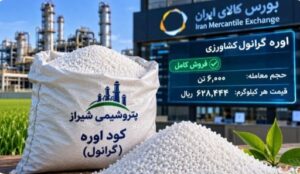
The ambitions outlined for Kangan Petro-Refinery extend beyond the commissioning of its two polyethylene units. Further plans reportedly include reducing gas flaring, supporting pressure management in South Pars, developing urea production, and constructing an industrial wastewater treatment facility and a power plant.
The company is also pursuing plans for specialised terminals intended to support liquefied gas exports under difficult maritime and trading conditions.
These initiatives suggest that the polyethylene projects form part of a wider development programme rather than representing the final stage of the complex’s expansion.
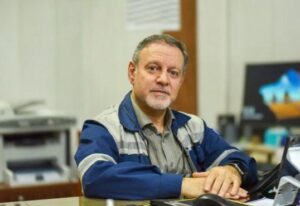
For Javad Fallahian, the executive overseeing the project, the immediate challenge is to translate the progress made during construction and commissioning into stable, reliable production. The successful startup of both units would add substantial polymer capacity to Iran’s petrochemical sector. Whether the broader development programme can be delivered on schedule will depend on financing, equipment availability, infrastructure readiness and the ability to sustain operations despite sanctions-related constraints.