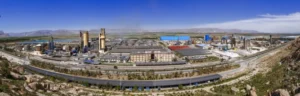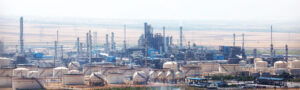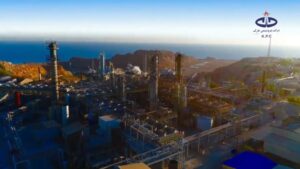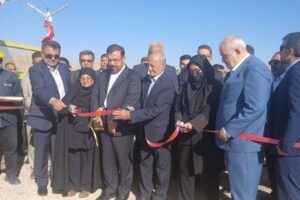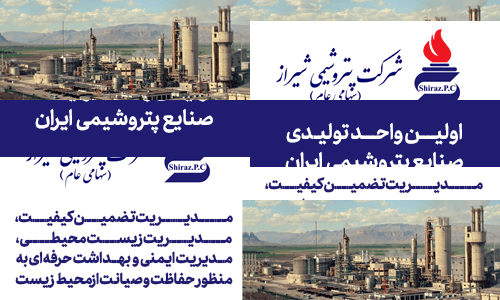
Iran’s petrochemical industry is considered one of the country’s most important sources of foreign currency income and a major pillar of the national economy. Over recent decades, Iran has leveraged its vast oil and gas reserves to secure a significant position in the global petrochemical market. The export of products such as methanol, urea, polyethylene, ammonia, LPG, and other chemical derivatives has played a major role in generating foreign exchange, creating employment, and supporting industrial development.
However, during the recent war and attacks targeting parts of Iran’s energy infrastructure and petrochemical facilities, serious concerns have emerged regarding the future of the country’s economy and the security of its energy exports. Many experts believe that targeting the petrochemical sector is not merely an industrial attack, but rather a direct strike at the heart of Iran’s economy.
The Importance of the Petrochemical Industry to Iran’s Economy
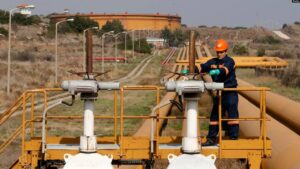
After crude oil, petrochemicals represent Iran’s second-largest source of foreign currency revenue . In addition to exports, this industry has created thousands of direct and indirect jobs, while a large portion of downstream industries depend on petrochemical feedstock.
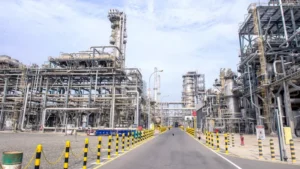
Petrochemical complexes located in regions such as Asaluyeh, Mahshahr, Khark Island, and South Pars play a key role in production and exports. Due to their strategic location near the Persian Gulf, these areas are considered among the country’s most vital economic hubs.
Following the bombing and destruction of Fajr 1 and Fajr 2 units in Mahshahr hub, Mobin Energy & Damavand Energy in Asaluyeh hub which supply utility services and energy to other petrochemical plants, production conditions have become highly challenging. In this regard, according to direct government directives, the export of many petrochemical products has been suspended and is expected to remain halted for an uncertain period, likely until reconstruction efforts are completed and domestic industrial demands are fully secured.
This situation comes at a time when, under sanctions and economic restrictions, petrochemical export revenues have been essential for providing foreign currency needed to import basic goods and maintain economic stability.
Direct Damages Caused by Attacks on Petrochemical Facilities
Reduced Production and Shutdown of Industrial Units
Military attacks on energy and petrochemical infrastructure can lead to the shutdown of production units, damage to equipment, power outages, and disruptions in feedstock supply. Even limited damage can interrupt the production chain and reduce exports.
In many petrochemical complexes, production processes operate continuously, and any sudden shutdown may result in severe financial losses. This issue represents only part of the broader damages faced by the industry.
Decline in Exports and Foreign Currency Revenue
Petrochemical exports are one of Iran’s primary sources of foreign exchange. Any reduction in production or disruption in maritime transportation can significantly decrease national foreign currency revenues.
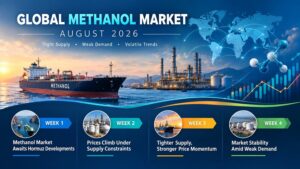
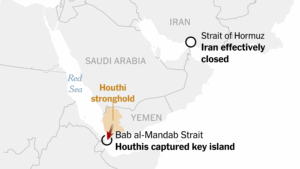
Furthermore, rising security risks in the Persian Gulf and the Strait of Hormuz may prompt international shipping and insurance companies to limit cooperation with Iran. This would increase export costs and reduce the competitiveness of Iranian products in global markets.
Increased Pressure on Exchange Rates and Inflation
A decline in foreign currency income usually places heavy pressure on the currency market. Under such conditions, the value of the Iranian rial weakens and inflation rises. This can strongly affect the prices of essential goods, raw materials, and the overall cost of living.
If markets resume activity under post-war conditions, exchange rates are expected to become more transparent and likely continue increasing. During the past week, signs of this trend were already visible through newly announced selling prices in the market, after which many suppliers removed official price lists due to uncertainty.
At the same time, domestic industries dependent on petrochemical raw materials are facing higher prices and shortages of essential feedstock.
Impact on Employment and Related Industries
The petrochemical industry directly and indirectly creates thousands of job opportunities in Iran. Any decline in production or plant shutdowns could lead to unemployment, reduced activity in transportation companies, technical services, contractors, and other dependent industries.
Many factories producing plastics, chemical fertilizers, resins, detergents, and industrial materials rely heavily on petrochemical feedstock. Disruptions in this sector may therefore create a broad chain of problems across the country’s manufacturing industries.
In addition, secondary consequences such as widespread unemployment and rising unemployment insurance costs will place further financial burdens on the government.
Psychological Impact and Investment Decline
Military attacks on economic infrastructure usually create severe psychological pressure on markets and investors. Rising economic uncertainty can result in capital flight, reduced domestic and foreign investment, and declining industrial activity.
Foreign investors are also less willing to participate in energy and petrochemical projects during wartime conditions. This could slow the development of the industry for many years.
Impact on the Regional and Global Economy
Iran is one of the region’s important suppliers of petrochemical products. A reduction in Iranian exports could lead to higher global prices for certain chemical and energy products.
Importing countries such as China, India, and several Asian nations may face higher raw material costs and supply chain disruptions. Meanwhile, regional competitors such as Saudi Arabia, Qatar, and the United Arab Emirates may benefit from Iran’s reduced share in the global market.
It should also be noted that these countries, due to the absence of sanctions, stronger access to international markets, and greater financial resources, are likely to repair and restore damaged infrastructure much faster. Consequently, the damages suffered by Iran may significantly weaken its ability to maintain or recover its previous market share.
Long-Term Consequences
If conflicts continue and attacks are repeated, rebuilding damaged infrastructure will require massive investment and considerable time. Foreign buyers may also seek alternative suppliers to reduce risk and become less dependent on the Iranian market.
This could weaken Iran’s position in the global petrochemical industry and reduce the country’s share in regional and international trade.
Conclusion
The bombardment of Iran’s petrochemical industry during the recent war is not merely a military attack on several industrial facilities; it represents a direct threat to the country’s economy. Reduced production, declining exports, foreign currency shortages, rising inflation, damage to employment, and falling investment are among the most significant consequences of this crisis.
Given Iran’s heavy dependence on energy and petrochemical revenues, protecting industrial infrastructure and preventing the escalation of military tensions are critical to maintaining economic stability. Continued conflict could destabilize not only Iran’s economy, but also regional and global energy and petrochemical markets, while further damaging the welfare and livelihoods of ordinary people.